Parents

Importance of Preventive Health

Importance of Preventive Health

Preventive health focuses on maintaining well-being by identifying potential health risks early and taking proactive measures to prevent illness. Regular health check-ups, healthy lifestyle choices, and timely screenings help reduce the risk of chronic diseases and improve overall quality of life.

By prioritizing preventive care, individuals can detect health issues at an early stage, lower medical costs, and ensure long-term physical and mental wellness. Prevention is not just about avoiding illness—it’s about living a healthier, more balanced life.

Preventive Health Overview

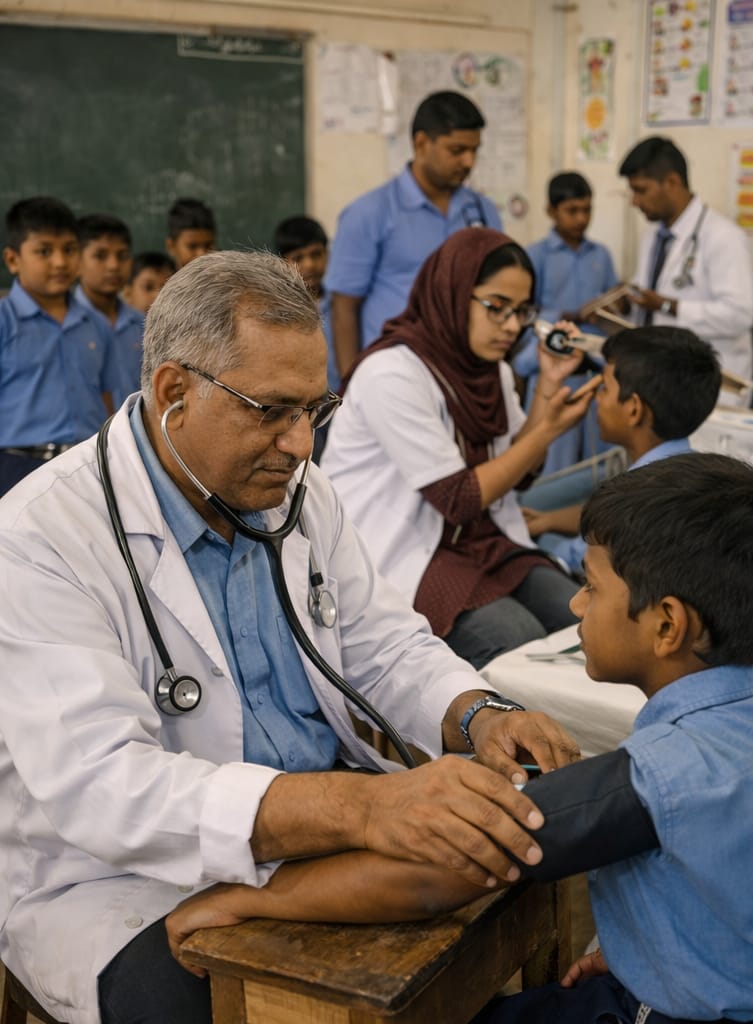
Preventive health emphasizes early detection and proactive care to reduce the risk of diseases before they become serious. It includes regular health check-ups, vaccinations, screenings, and adopting healthy lifestyle habits to maintain overall well-being.

By focusing on prevention rather than treatment, individuals can improve life expectancy, reduce healthcare costs, and maintain better physical and mental health over the long term.

Benefits of Preventive Care

Preventive care helps identify potential health issues at an early stage, making treatment more effective and less complex. It plays a vital role in managing chronic conditions and preventing serious illnesses.

A proactive approach to health encourages healthier choices, improves quality of life, and supports long-term wellness for individuals and communities alike.

Health & Development Screening

What We Screen & Why It Matters

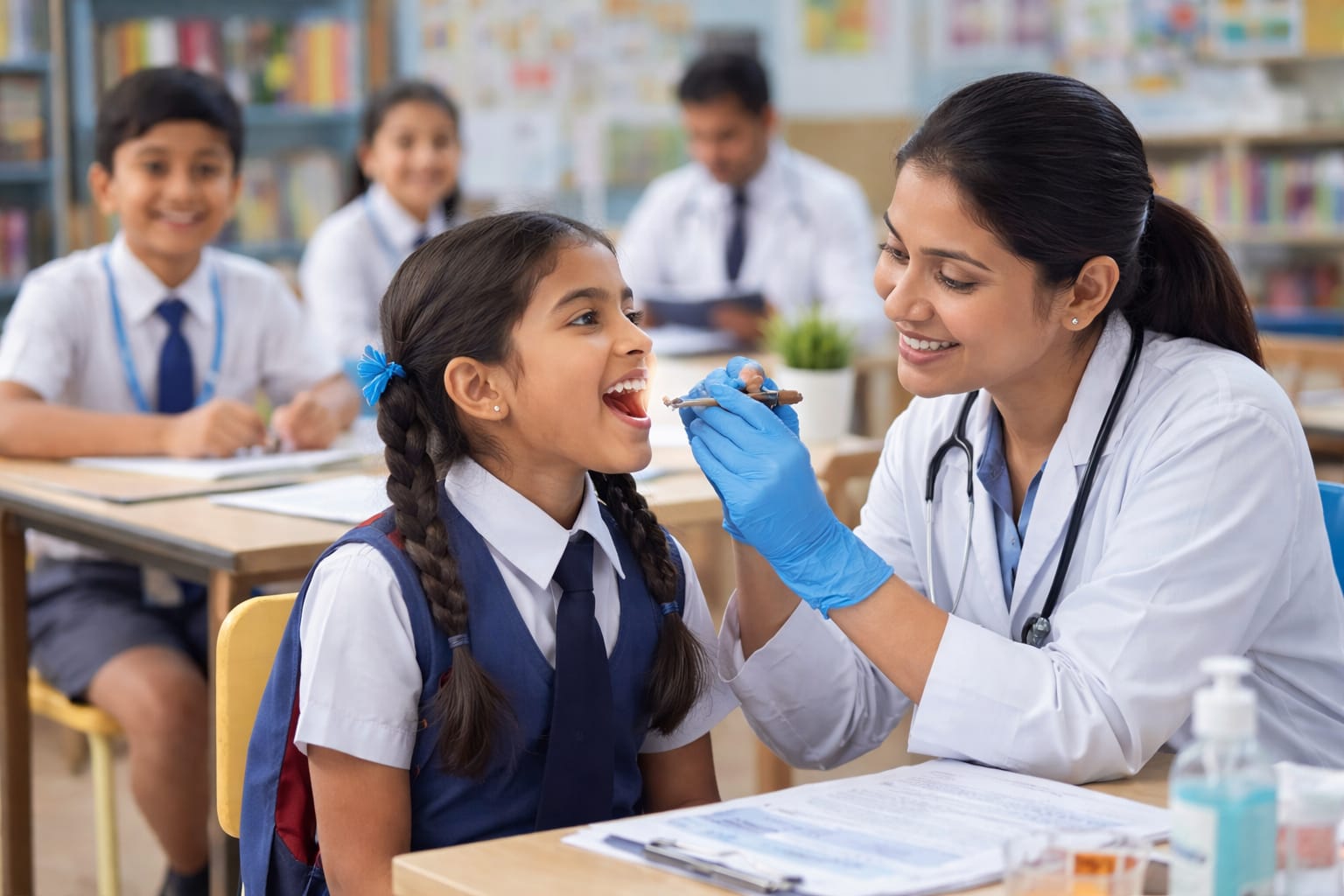
Child having vision screening test
  • Vision & Hearing
  • Essential Screening

Early Detection: Why Vision & Hearing Checks Are Critical

Undetected vision or hearing issues can significantly impact learning and development. Our regular screenings help identify concerns early when intervention is most effective.
  • Growth & Development

Tracking Milestones: Understanding Your Child's Progress

We monitor key developmental milestones in motor skills, language, social-emotional growth, and cognitive development to ensure your child is progressing appropriately.
  • Nutrition & Physical Health

Beyond Height & Weight: Comprehensive Health Assessment

Our health assessments include nutrition evaluation, physical activity monitoring, sleep patterns, and overall wellbeing to support your child's holistic health.
  • Social-Emotional Screening

Building Emotional Intelligence: Why We Screen Social Skills

We assess social interactions, emotional regulation, and behavioral patterns to support healthy social-emotional development and early intervention when needed.

Health Assessment Report

Student Health Screening Program | October 2024

Health Professional's Assessment

"Emma demonstrates excellent overall health with strong indicators across all screening categories. Her vision and hearing tests show perfect results, and dental health is well-maintained with good oral hygiene practices."

"Nutritional assessment shows a balanced diet with minor recommendations for increased vitamin D intake. Emma actively participates in school health programs and follows recommended health practices consistently."

Key Strengths
Excellent vision and hearing
Good oral hygiene habits
Regular participation in health activities
Recommendations
Increase sunlight exposure for Vitamin D
Add more green vegetables to meals
Next screening due in 6 months

Report Actions

Screening Date: Oct 15, 2024

Dr. Priya Sharma

Health Report FAQ

Understanding Your Child's Health Report

Our health reports provide comprehensive insights into your child's physical, emotional, and developmental wellbeing. These regular assessments help us track progress and identify areas where we can better support your child's growth.

Each report is based on daily observations by our trained childcare professionals and follows established early childhood development frameworks. We encourage parents to discuss any questions or concerns with our wellness coordinator.

  • Q. How often are health reports updated?

    We update formal health reports monthly, but our caregivers make daily observations. Significant milestones or concerns are communicated immediately. Monthly reports provide a comprehensive overview of your child's progress across all developmental domains.
  • Q. What does "nutrition participation" measure?

    This measures your child's willingness to try different food groups, eating habits, and independence during meals. We track food preferences, portion sizes, and hydration habits to ensure balanced nutrition and identify any feeding concerns early.
  • Q. How are motor skills assessed?

    We observe both gross motor skills (running, jumping, climbing) and fine motor skills (gripping, drawing, using utensils) during structured activities and free play. Assessments follow age-appropriate developmental milestones and are conducted by our trained early childhood educators.
  • Q. What should I do if I have concerns about the report?

    Please schedule a meeting with our wellness coordinator, Ms. Anya. We encourage open communication and can provide more detailed observations, discuss strategies, or adjust our approach based on your insights and concerns about your child's development.
  • Q. How do you track social-emotional development?

    We observe interactions with peers, emotional regulation, self-expression, and independence. Our trained staff document social skills, coping strategies, and emotional awareness using validated observation tools that align with early childhood development standards.
Contact

Ask A Question

Chat with us on WhatsApp